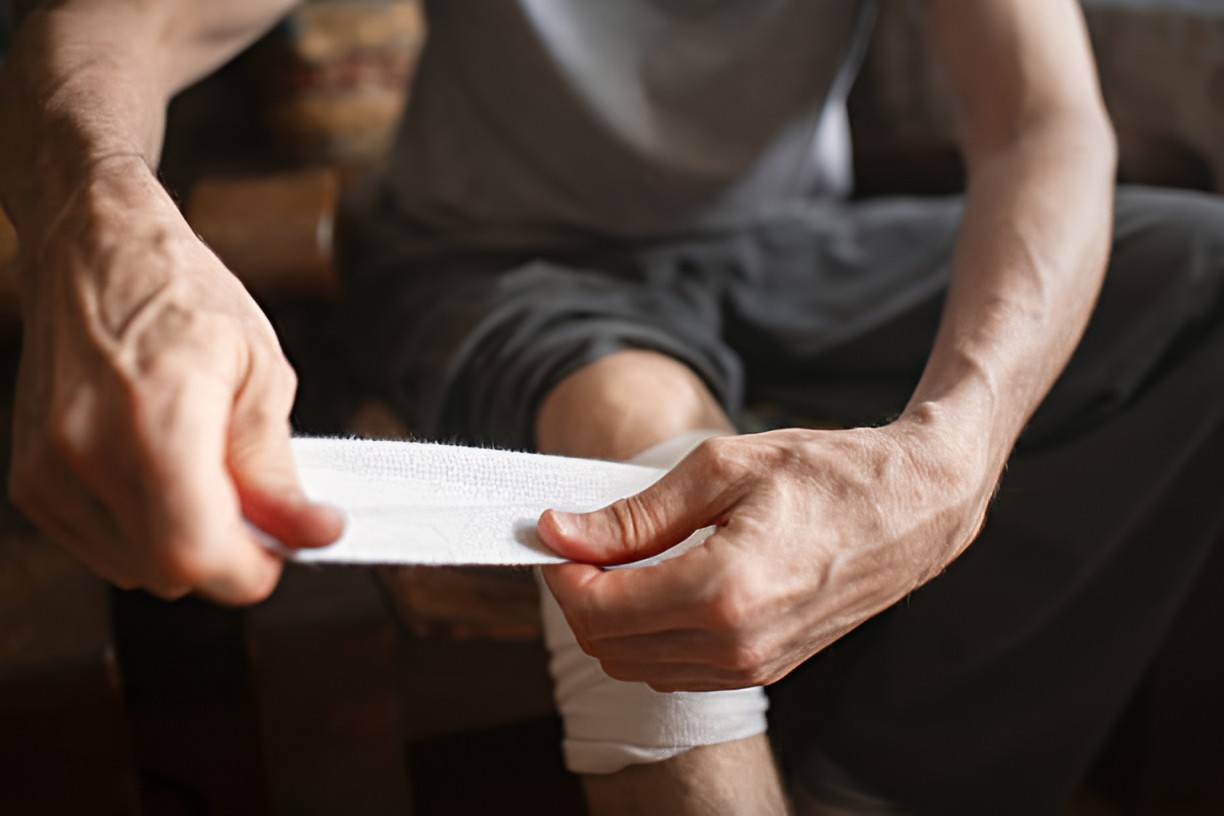
You notice a cut, scrape, or sore that should have already healed by now. Maybe it’s been weeks. Maybe even longer. You clean it. You cover it. You wait. Yet every time you check, it looks the same — or worse. At some point, you start wondering, Why is this taking so long? Is something wrong with my body? Am I missing something important?
At Niva Health, we hear this question every single week — and the answer often surprises people. Many don’t realize how deeply connected poor nutrition and wound healing really are. We tend to think of wounds as surface problems, but the truth is that your body’s ability to repair damaged tissue depends on what’s happening internally. If you’re not getting the nutrients your cells need to rebuild and regenerate, your body can’t complete the healing process efficiently.
This realization can be eye-opening, especially for people who feel like they’re doing “everything right,” yet still struggle with slow-healing wounds. Understanding the causes of slow wound healing not only provides clarity — it gives you the power to make meaningful, natural changes that support your body’s repair process. And that’s where Niva Health’s approach to total-body wellness makes all the difference.
Why Nutrition Plays Such a Critical Role in Wound Healing
When your body is healing a wound, it’s not just patching up the surface. It’s rebuilding tissue, forming new cells, regulating inflammation, fighting infection, and restoring circulation to the damaged area. All these internal processes require nutrients — specific nutrients — in order to function properly.
This means healing is not just a skin-level event. It’s a cellular repair project, and your cells need fuel. Without essential vitamins, minerals, amino acids, and antioxidants, the healing process slows down dramatically.
Many people are shocked to learn this because we often think of nutrition only in terms of energy or general health. But when it comes to wound healing, nutrients act as building blocks, construction workers, and quality control all at once. If one piece is missing, the entire process becomes less efficient.
The Hidden Impact of Poor Nutrition on Your Body’s Repair Process
It’s easy to overlook nutrition as a factor in healing. After all, wounds happen on the outside — so it feels natural to focus on creams, bandages, or topical solutions. Yet internal deficiency can quietly stall the process behind the scenes.
When we talk about poor nutrition and wound healing, we’re not just talking about major deficiencies. Sometimes even mild shortages or imbalances in nutrients can interfere with your body’s natural healing rhythm.
For example, low protein intake reduces the raw materials needed for your skin and tissue to rebuild. Insufficient vitamin C limits collagen formation, which is essential for creating strong, resilient tissue. Low zinc impacts immune response. Low B vitamins affect circulation and energy production, both of which are vital for cell repair.
You might not feel deficient. You may not look deficient. But your wound healing can still be affected.
Why Some Wounds Heal Slowly — Even When You’re Taking Care of Them
Many people assume they’re doing everything right when caring for a wound. They clean it, apply ointment, wear a bandage, and avoid irritation — yet it still lingers. That’s because slow healing is often more about internal support than surface care.
When looking at the causes of slow wound healing, lifestyle patterns often reveal the real story. Busy schedules lead to skipped meals. Stress influences digestion. Processed foods create inflammation. A lack of nutrient-dense foods means the body simply isn’t getting what it needs to regenerate cells efficiently.
The body prioritizes survival over repair. So if you’re not taking in enough nutrients, the body diverts energy toward essential functions — leaving wound healing on the back burner.
Inflammation: The Hidden Roadblock
Chronic inflammation is one of the biggest obstacles to wound healing. Poor nutrition often leads to higher inflammation levels because many processed foods increase inflammatory responses in the body.
Inflammation isn’t always visible, but it affects the wound’s environment. Instead of moving through the natural healing stages smoothly, the wound becomes “stuck” in a prolonged inflammatory state. This not only slows healing — it can make wounds more vulnerable to complications.
How IV Vitamin Therapy Helps Support the Healing Environment
This is where modern wellness approaches, like IV Vitamin Therapy at Niva Health, become incredibly helpful. IV therapy delivers nutrients directly into your bloodstream, bypassing digestion and ensuring your cells receive what they need immediately.
For individuals with nutrient deficiencies — even subtle ones — IV therapy provides targeted nutritional support that helps create a healthier internal environment for the body’s natural repair processes. While it doesn’t “heal” the wound itself, it supports the body in the areas it struggles with most: energy production, inflammation control, circulation, and cellular repair.
This makes IV therapy one of the most effective natural tools in supporting wound recovery from the inside out.
Why Hydration Matters More Than Most People Realize
Water isn’t just for thirst. Hydration directly influences how oxygen and nutrients are transported throughout your body. Dehydrated tissue is slower to respond, slower to repair, and slower to regenerate.
Even mild dehydration thickens your blood slightly, making it harder for healing resources to reach the wound site efficiently. Staying hydrated is one of the simplest, most powerful steps in how to improve wound healing naturally, yet it’s one of the most overlooked.
Protein: The Foundation of Tissue Repair
Protein is essential for wound healing. Your body uses amino acids to rebuild skin, create new blood vessels, close the wound edges, and strengthen the underlying tissue.
If you’re not consuming enough protein — which is more common than people think — your body simply cannot complete the healing process efficiently, no matter how many topical products you use. Even a mild deficiency can slow progress dramatically.
Vitamin C: The Collagen Builder
Collagen is the structural scaffolding that holds your skin together. Vitamin C is required to synthesize collagen properly. Without enough vitamin C, new tissue forms more slowly, and the wound may not strengthen the way it should.
Vitamin C also supports immune function, helping to keep the wound environment stable.
Zinc: The Unsung Hero of Repair
Zinc plays a significant role in cell regeneration, inflammation control, and immune support. Low zinc levels can make wounds linger much longer than expected. Many adults unknowingly consume too little zinc, especially if their diets lack variety.
Why Some People Heal Slower Than Others
Some people naturally heal wounds faster because their internal environment supports efficient cell turnover and repair. Others struggle because their bodies are working with limited resources.
Common reasons for slow healing include:
• Age-related nutrient decline
• Chronic stress
• Poor nutrient absorption
• High inflammation
• Underlying chronic conditions
• Sedentary lifestyles
• Insufficient diet diversity
The good news? Improving nutrition, hydration, and circulation can often make a noticeable difference.
How Niva Health Approaches Slow Wound Healing
At Niva Health, we take a holistic approach that focuses on the full picture — not just the wound itself. We evaluate lifestyle patterns, nutritional habits, internal inflammation, and overall health to identify what may be slowing your progress.
We then build a customized wellness plan that supports your body from within. This may include IV Vitamin Therapy, personalized nutritional recommendations, lifestyle guidance, and ongoing monitoring to ensure your body has consistent support throughout the healing process.
How You Can Support Better Healing at Home
Beyond professional care, several natural habits can help you improve the internal environment that supports wound recovery. Maintaining hydration, eating nutrient-dense foods, managing stress, and increasing gentle movement all play powerful roles in supporting circulation and repair.
Small changes can create noticeable results because your body responds quickly when it finally has the resources it needs.
Why Early Support Matters
If your wound is healing slowly, it’s better to take action early rather than hope it resolves on its own. Slow healing is often a sign that your body needs nutritional or circulatory support. Addressing these needs early reduces the risk of complications and helps you regain comfort and mobility faster.
Niva Health Locations
We proudly serve patients at multiple locations, including:
Jacksonville, Florida
Melbourne, Florida
Orlando, Florida
St. Augustine, Florida
Novi, Michigan
Troy, Michigan
No matter which clinic you visit, you’ll receive compassionate, personalized support designed to help your body function at its best.
Conclusion: Your Body Wants to Heal — It Just Needs the Right Support
If you’re dealing with a wound that isn’t healing the way it should, it’s not a reflection of failure or poor care. It’s often your body’s way of telling you it needs deeper support. Understanding the link between poor nutrition and wound healing empowers you to make meaningful changes. Identifying the causes of slow wound healing helps you regain control. And when you focus on how to improve wound healing naturally, you give your body what it’s been missing.
At Niva Health, we’re here to support your healing journey with compassionate, wellness-focused care that addresses your whole body — inside and out. If you’re ready to take the next step toward stronger, healthier healing, click here to set up a consultation.
Your body can do incredible things when it has what it needs — and we’re here to help you get there.