Peripheral neuropathy can make summer heat feel extra intense. When your feet or hands already burn, tingle, or feel numb, hot and sticky days can turn mild symptoms into something much harder to ignore. Understanding why this happens is the first step toward feeling more comfortable and confident during warm-weather activities.
In this article, we share how heat and humidity affect nerve pain, simple habits that can calm symptoms, and treatment options that support you through the hottest months. Our goal is to help you enjoy barbecues, beach days, and family time with less discomfort, especially if you are looking for neuropathy treatment in St. Augustine or other warm, humid areas.
Why Summer Heat Can Make Neuropathy Feel Worse
Peripheral neuropathy happens when the nerves outside the brain and spinal cord are damaged or not working as they should. These nerves send messages about touch, temperature, and pain. When they are irritated, you may feel burning, tingling, numbness, or sharp zaps, often in the feet and legs.
Summer can make these symptoms stand out more. Hot air and moisture in the air change how your body cools itself. This affects:
- Circulation, as blood vessels open up in the heat
- Fluid balance, as you sweat more and can lose water and minerals
- Nerve sensitivity, as already irritated nerves react to temperature shifts
The result can be more swelling, more burning, and more buzzing or tingling. The good news is that with thoughtful daily routines and the right neuropathy treatment in St. Augustine and other hot, humid locations, many people can still enjoy the season with better comfort.
How Heat and Humidity Impact Nerve Pain
When it is hot, your blood vessels open to release heat. For someone with neuropathy, this change in blood flow can bother nerves that are already stressed. Some people notice:
- Stronger burning or throbbing in the feet
- A heavy, full feeling in the ankles or lower legs
- More redness or warmth in the skin
Humidity adds another layer of stress. When the air is very damp, sweat does not evaporate easily, so your body holds on to more heat. You may sweat more, then lose fluid and feel more tired and sore. Dehydration can make nerves and muscles work less smoothly, which can increase pain and cramps.
Many people with neuropathy also live with conditions like diabetes or circulation problems. In the heat, this combination can make it easier to develop:
- Dizziness or lightheadedness
- Swelling in the feet, ankles, and lower legs
- Slower healing of small cuts, blisters, or irritated spots
This is why paying attention to your body in warm, humid weather is so important.
Smart Summer Habits to Keep Neuropathy Symptoms Calmer
Daily habits can make a real difference in how neuropathy feels during hot months. Think of these as small choices that help your nerves feel less overwhelmed.
To protect yourself from peak heat:
- Spend the middle of the day in AC or shaded areas when you can
- Wear breathable, moisture-wicking socks and supportive shoes
- Choose loose, light clothing that allows airflow
- Prop your feet up when you are resting to help reduce swelling
Hydration and food choices also matter. Try to:
- Sip water throughout the day, not just when you feel thirsty
- Limit alcohol and sugary drinks that can dry you out
- Focus on simple, whole foods like fresh fruits, vegetables, lean protein, and healthy fats that support general health and comfort
Pacing is another smart tool. Heat can drain your energy faster, and that can magnify pain signals. Plan errands and walks for early morning or later evening, when the sun is lower. Take breaks before you feel wiped out. Some people like to jot down when their symptoms feel stronger so they can spot personal “heat triggers” and plan around them.
Cooling Comfort Strategies You Can Use Right Away
You do not need anything fancy to cool your feet and calm irritated nerves. Gentle, steady cooling often works better than anything extreme.
Try these simple ideas at home:
- Cool, not ice-cold, foot soaks for short periods
- Fans pointed toward your feet and legs when you sit
- Cooling towels or gel packs wrapped in a thin cloth so they do not sit directly on bare skin
Summer is also hard on skin and feet, especially if you spend time at the pool, beach, or outdoors. Make foot care a non-negotiable habit. Check your feet every day for:
- Red spots, blisters, or cuts
- Areas between the toes that stay damp
- Any place that feels extra tender or sore
Keep your feet clean and dry, and avoid walking barefoot on hot sand, pool decks, or pavement, since you might not feel heat or small injuries as clearly.
Sleep can be tricky too when nights stay warm and your feet tingle or burn. To help your body relax, try to:
- Keep your bedroom on the cooler side with fans or AC
- Use light sheets instead of heavy blankets
- Gently stretch your legs and feet before bed to release tight muscles
Even small changes like this can help you fall asleep faster and wake up feeling a bit more rested.
Integrative Neuropathy Treatment Options for Summer Relief
Home strategies are helpful, but many people need more support, especially when heat and humidity keep symptoms stirred up. At Niva Health, we focus on integrative, non-surgical care for neuropathy. That means we look at your whole health picture, not just one symptom.
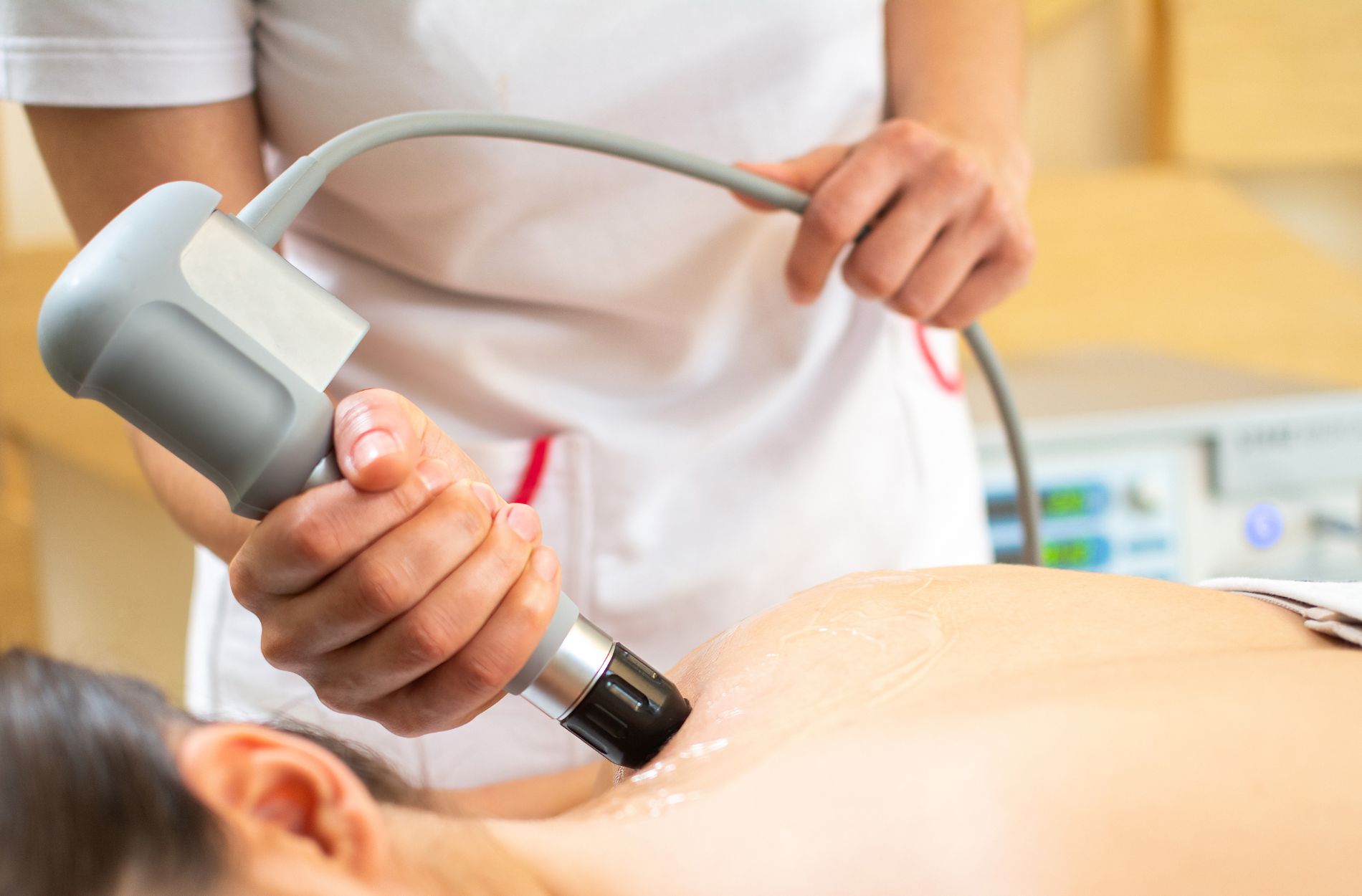
Our team combines lifestyle guidance with in-office therapies tailored to your needs. For example, some patients may benefit from:
- Red light therapy, which is often used to support circulation and tissue repair
- IV vitamin therapy, to support hydration and nutrient balance
- Advanced neuropathy protocols designed to support nerve health
If you are looking for neuropathy treatment in St. Augustine or at one of our other locations, we work with you to build a plan that also considers seasonal stressors like summer heat, humidity, and changes in activity level.
When to Seek Professional Neuropathy Care in St. Augustine
While some symptom changes in hot weather are common, certain signs should never be ignored. It is time to seek professional care if you notice:
- A sudden jump in pain, burning, or tingling
- New weakness in your feet, ankles, or hands
- Open sores, cracked skin, or signs of infection on your feet
- Symptoms that keep you from sleeping or doing normal daily tasks
During a neuropathy evaluation at Niva Health, we look for possible causes of your nerve symptoms, review your medications, and check circulation and skin health. We also talk about lifestyle factors like heat exposure, hydration, and activity, because all of these can affect how your nerves feel.
Getting thoughtful, integrative neuropathy treatment in St. Augustine early can help protect your function and comfort, not just for this summer but for the seasons ahead. When you understand your triggers and have a clear plan, warm days start to feel a lot more manageable.
Relieve Your Neuropathy Symptoms and Regain Your Comfort
If you are ready to address burning, tingling, or numbness in your feet and hands, our team at Niva Health is here to help. Learn how our comprehensive approach to neuropathy treatment in St. Augustine can improve your daily comfort and mobility. To schedule a consultation or ask questions about your options, please contact us today.