For many older adults and individuals with limited mobility, life naturally becomes more sedentary with age or injury. But while slowing down may feel like a natural part of aging, it can come with serious hidden health risks—especially when it comes to vascular wounds.
At Niva Health, we often meet patients who never thought a small sore on their leg would turn into a chronic, non-healing wound. Many of them say the same thing: “I didn’t even realize it was a problem.” That’s the tricky thing about vascular wounds—they often appear painless, subtle, and easily ignored at first. But left untreated, they can lead to infections, hospitalizations, and even amputations.
This blog dives into the often-overlooked risks of vascular wounds in seniors and sedentary adults—and how early detection, personalized treatment, and advanced wound care can help you or a loved one heal safely and effectively.
What Are Vascular Wounds?
Vascular wounds are open sores or ulcers caused by poor blood circulation in the veins (venous ulcers) or arteries (arterial ulcers). These wounds usually form on the lower legs, ankles, and feet—areas farthest from the heart, where blood flow is naturally weaker.
There are two primary types of vascular wounds:
Venous ulcers: Typically caused by chronic venous insufficiency, where the veins in your legs don’t return blood to the heart efficiently. These ulcers are often shallow, located above the ankles, and may be accompanied by swelling, discoloration, or weeping skin.
Arterial ulcers: Caused by peripheral artery disease (PAD), these wounds result from reduced blood flow due to narrowed or blocked arteries. They tend to be deeper, more painful, and can occur on the feet, toes, or heels.
Why Sedentary Lifestyles Increase Your Risk
As mobility decreases, so does healthy circulation. Sitting or lying down for long periods—especially without leg elevation or exercise—causes blood to pool in the lower limbs. Over time, this weakens vein valves, increases pressure, and makes it harder for oxygen-rich blood to reach tissues.
Here’s how reduced mobility contributes to vascular wound risk:
-Weakened leg muscles that assist blood return to the heart
-Increased swelling (edema) in the lower legs and feet
-Skin breakdown due to constant pressure or fluid buildup
-Delayed detection—many wounds are missed until they worsen
This is especially true for older adults, individuals with diabetes, obesity, or those recovering from surgery or illness. The wound might start as a dry patch of skin, a small blister, or mild discoloration—but without proper care, it can quickly escalate.
The Hidden Danger: Why You Can’t Ignore “Small” Sores
One of the most dangerous aspects of vascular wounds is that they often go unnoticed or unaddressed. Seniors with nerve damage or limited flexibility may not regularly inspect their feet or lower legs. Caregivers may assume a wound is “just a skin issue.” Unfortunately, by the time it’s painful or visibly infected, it may already be chronic.
Signs of vascular wounds that require immediate attention:
-Persistent redness, swelling, or warmth
-Skin that looks shiny, tight, or stretched
-Wounds that haven’t healed in 2+ weeks
-Drainage, odor, or tissue discoloration
-Skin discoloration or hardened areas near the wound
Early detection and prompt treatment are key to avoiding more serious complications.
How Niva Health Helps You Heal
At Niva Health, we understand how scary and frustrating it can be to manage a wound that just won’t heal. That’s why our Wound Care Services are designed to give you answers, relief, and results—whether you’re active, aging, or homebound.
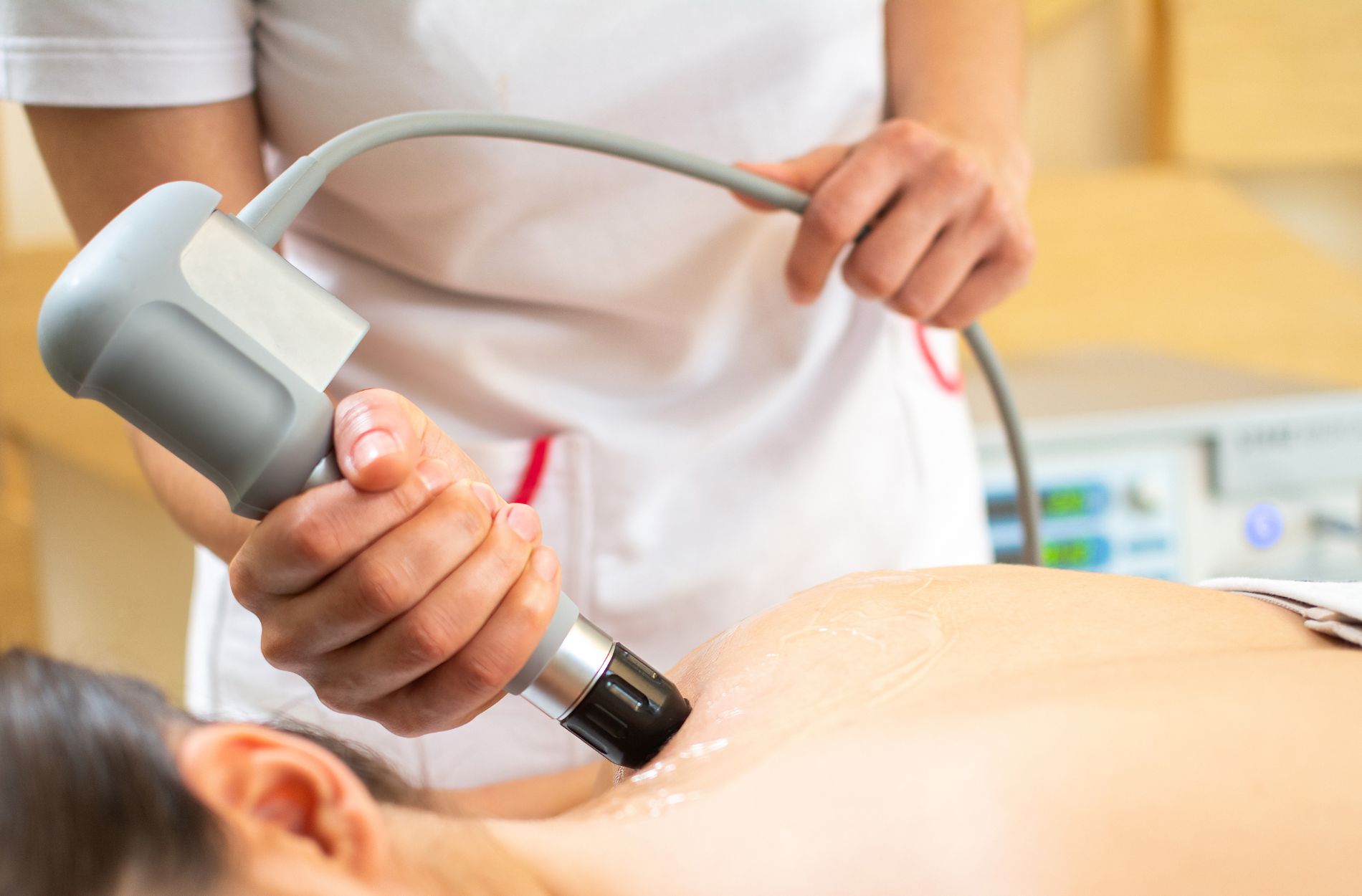
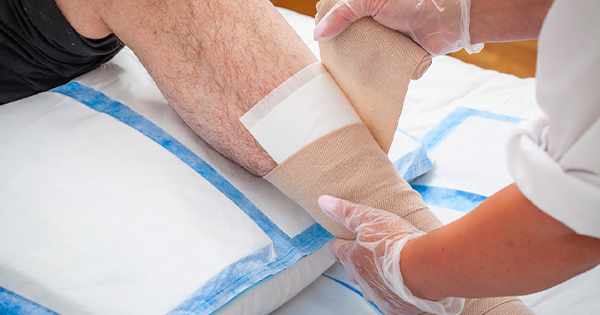
We conduct a comprehensive wound assessment and develop a customized care plan tailored to your needs, ensuring optimal healing outcomes. We utilize Advanced Wound Care Therapies that accelerate your body’s natural ability to heal, reduce inflammation, and restore healthy tissue.
Our approach includes:
Thorough evaluation of circulation and underlying conditions
Personalized treatment plans for each stage of wound healing
Regenerative therapies and modern wound dressings
Prevention education to avoid recurrence
Wound Care—Wherever You Need It
Whether you’re able to visit us or prefer to receive care at home, Niva Health offers flexible options to meet your comfort, lifestyle, and medical needs.
In-Clinic Wound Care Services
Our clinics are designed with comfort and convenience in mind. We prioritize your ease during each visit and collaborate closely with home-based healthcare providers to ensure seamless, high-quality care across every stage of your healing process. You’re never just a number here—you’re part of a care plan made just for you.
Home-Based Wound Care Services
If traveling to a clinic is difficult or stressful, we bring quality wound care directly to your doorstep. Our compassionate team of experienced specialists provides professional wound treatment right in the familiar surroundings of your home.
No driving. No waiting rooms. No extra stress.
With Niva Health’s home-based wound care, you can feel safe and supported every step of the way. We prioritize your comfort, your safety, and—most importantly—your healing.
Healing Starts With Awareness
Don’t let a slow-healing wound become a long-term problem. If you or a loved one is a senior, has limited mobility, or lives with vascular issues, it’s time to make wound care a priority. The earlier we intervene, the better your chances for a full, healthy recovery.
Whether it’s venous ulcers, arterial wounds, or chronic leg sores, Niva Health is here to help you heal with confidence.
View all our locations here and then sign up for a Complimentary Consultation by clicking here to learn how Niva Health’s expert wound care services can help you or your loved one live safely, comfortably, and wound-free.