You told yourself it was just a minor strain. A small tweak. Something that would settle down after a few days off.
You rested. You iced it. You stretched carefully. Maybe you even skipped workouts or practices longer than you wanted to. And for a moment, it seemed better.
Then you went back to activity — and the pain returned.
At first it was mild. Then it became predictable. Every run. Every lift. Every swing. That same spot flares up again. Eventually, frustration replaces optimism. You start wondering if this is just something you’ll have to live with.
At NIVA Health, we see this cycle often. Active adults, athletes, weekend warriors, and fitness enthusiasts come to us after months of trying to “wait it out.” They have done everything right, yet their injury refuses to resolve.
The truth is this: when a sports injury becomes chronic, rest alone is rarely enough. That’s when a more targeted treatment for chronic sports injuries becomes necessary.
Why Some Sports Injuries Don’t Fully Heal
Acute injuries usually involve inflammation. Rest and ice can calm that initial response. However, when pain lingers beyond several weeks, the issue often shifts from inflammation to tissue degeneration.
Repetitive stress injuries, particularly those affecting tendons, can develop microscopic damage that does not repair properly. Instead of regenerating strong, organized fibers, the tissue becomes disorganized and weaker.
This is especially common in conditions like tennis elbow, jumper’s knee, Achilles tendon pain, rotator cuff irritation, and chronic plantar fasciitis. Over time, circulation to the area may decrease, limiting the body’s ability to repair itself.
When this happens, athletes find themselves stuck in a cycle of temporary improvement followed by relapse.
The Problem With “Just Give It Time”
Time is important in healing — but only when the body is actively repairing tissue. If degeneration has already occurred, simply waiting does not restart the healing process.
Many athletes push through discomfort because they assume it is part of training. Others rest excessively, hoping total inactivity will fix the issue. Unfortunately, both extremes can prolong recovery.
What chronic injuries often need is stimulation — a biological signal that encourages tissue repair.
That is where acoustic sound wave therapy for sports injuries becomes an important option.
How Acoustic Sound Wave Therapy Works
Acoustic Sound Wave Therapy uses focused mechanical sound waves to penetrate damaged tissue. These waves create controlled microstimulation within the tendon or soft tissue area.
This stimulation increases circulation. It promotes the formation of new blood vessels. It activates cellular repair processes. Rather than masking pain, it encourages your body to rebuild tissue more effectively.
At NIVA Health, we use acoustic sound wave therapy for sports injuries to target the exact area of chronic dysfunction. Because it is a non invasive therapy for tendon injuries, there are no incisions, no anesthesia, and minimal downtime.
The goal is simple: stimulate healing at the source.
Why Circulation Is Critical in Chronic Injuries
Tendons and certain connective tissues have limited blood supply compared to muscle. When damage accumulates, the body may struggle to deliver enough oxygen and nutrients to support full repair.
Sound wave therapy increases localized blood flow, which improves the delivery of essential nutrients. Over time, this supports tissue remodeling and strengthening.
This is why many athletes who have tried injections, braces, and extended rest without lasting relief finally see progress when regenerative stimulation is introduced.
Common Chronic Sports Injuries That Respond to Therapy
Chronic tennis elbow is one of the most frequent examples. Repetitive gripping and wrist extension can lead to degeneration of the tendon attachment. Rest may calm symptoms, but degeneration remains.
Achilles tendon pain is another common issue. Runners and active adults often feel stiffness and soreness that worsens with activity. Without targeted stimulation, the tendon may remain compromised.
Shoulder injuries, particularly involving the rotator cuff, also respond well when therapy focuses on tissue regeneration instead of simple inflammation control.
Each of these conditions shares a common thread: incomplete healing.
Why Athletes Need a Different Approach
Active individuals place ongoing stress on their bodies. Even after rest, returning to activity reintroduces mechanical load. If the tendon has not regained strength, symptoms return quickly.
A proper treatment for chronic sports injuries must address both the tissue itself and the demands placed upon it.
At NIVA Health, we evaluate biomechanics, activity patterns, and contributing factors. We combine acoustic therapy with guidance on gradual return to activity, ensuring that healing and performance move together.
What Treatment Feels Like
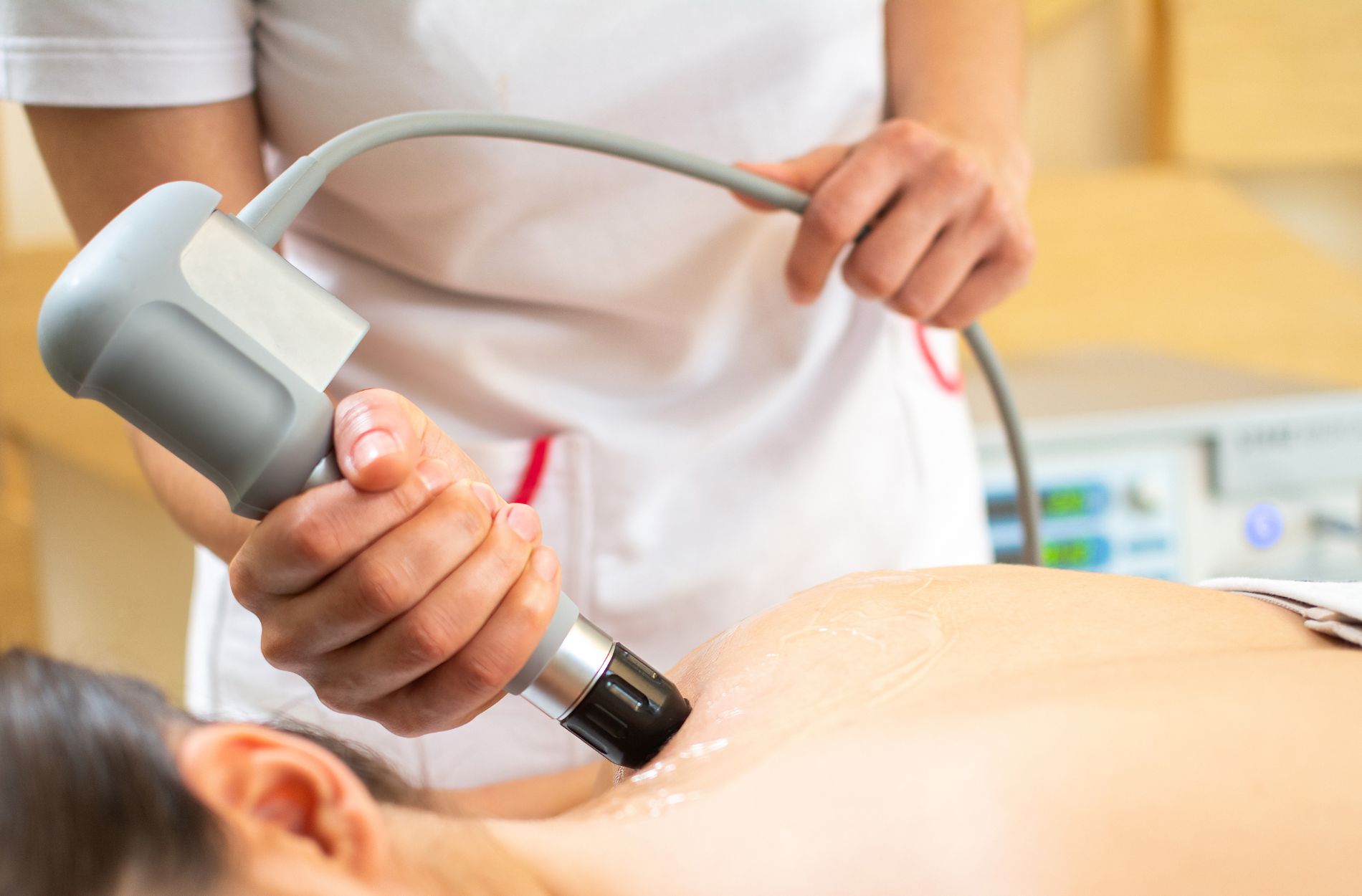
During therapy, a handheld device delivers focused sound waves to the injured area. You may feel rhythmic tapping sensations. Some areas may feel tender, especially where degeneration is present.
Sessions are brief. There is minimal downtime. Most patients continue normal daily activities while following specific recommendations about high-impact training.
Because it is a non invasive therapy for tendon injuries, recovery does not require weeks away from work or daily responsibilities.
Why Chronic Injuries Affect More Than Performance
Persistent pain does not just impact athletic ability. It influences mood, motivation, and overall well-being. Many people begin avoiding activities they once enjoyed. Confidence declines. Fear of worsening the injury increases.
Addressing the root cause restores more than physical function. It restores trust in your body.
The Difference Between Suppressing Pain and Restoring Tissue
Cortisone injections may temporarily reduce inflammation. Anti-inflammatories may dull discomfort. Bracing may limit stress.
However, none of these approaches directly stimulate tissue regeneration. That is why recurrence is so common.
With acoustic sound wave therapy for sports injuries, we focus on encouraging the body’s own healing mechanisms. Instead of simply reducing symptoms, we aim to improve tissue quality.
Why Early Action Matters
The longer chronic injuries persist, the more compensatory patterns develop. Surrounding muscles may overwork. Joint alignment may shift subtly. Secondary pain can develop in nearby structures.
Seeking care early reduces the risk of cascading dysfunction.
If you have been dealing with pain for months and hoping it will resolve on its own, it may be time to explore a more targeted approach.
Locations and Access to Care
NIVA Health proudly offers advanced regenerative therapies across Jacksonville, Florida; Melbourne, Florida; Orlando, Florida; St. Augustine, Florida; Novi, Michigan; and Troy, Michigan.
Each location delivers patient-centered care focused on long-term recovery and functional improvement.
Conclusion: Stop Letting Chronic Injuries Control Your Activity
If rest, ice, and patience have not resolved your injury, it does not mean you have failed. It means the injury may require more than passive recovery.
With acoustic sound wave therapy for sports injuries, we provide a regenerative option designed to stimulate repair rather than suppress discomfort. If you are looking for a non invasive therapy for tendon injuries that addresses the underlying cause, we are here to help.
You deserve to move without constant hesitation.
If you are ready to explore a targeted treatment for chronic sports injuries, click here to set up a consultation and take the next step toward recovery and performance with confidence.