You’re walking across the room, heading up the stairs, or getting out of your car — and there it is again. That click. That pop. That little shifting sensation in your hip that makes you stop and wonder, What is going on with my hip? Why does it keep clicking? And should I be worried?
If you’ve noticed hip clicking when walking, you’re not alone. Many people experience this uncomfortable sensation, but few understand what it really means. Some assume it’s nothing. Others fear the worst. At Niva Health, we want you to know the truth: hip clicking is your body trying to get your attention. And the sooner you understand the causes of hip clicking and pain, the sooner you can protect your joint health and avoid more serious problems later.
Hip discomfort doesn’t just disrupt your mobility — it can change the way you walk, move, sit, sleep, and perform daily tasks. But the good news is that most mechanical hip issues can be addressed without surgery. Our non surgical hip pain treatment options help patients regain mobility, reduce inflammation, and stabilize the joint naturally.
Understanding Why Your Hip Clicks When You Walk
The hip is one of the largest and most powerful joints in the body — yet it’s also one of the most complex. It’s a ball-and-socket joint that depends on smooth movement between the bones, cartilage, tendons, and surrounding muscles. When any of these structures stop functioning smoothly, clicking or popping can occur.
Clicking happens when the joint isn’t gliding the way it’s supposed to. Tendons can snap over bones, cartilage can fail to cushion the joint correctly, or weakened muscles can cause slight instability. Even something as simple as sitting too long can trigger tightness that leads to clicking later in the day.
What makes clicking concerning is that it often starts before pain does. This means the clicking you’re experiencing may actually be the earliest warning sign of joint stress or degeneration.
The Most Common Causes of Hip Clicking and Pain
Tight or Inflamed Tendons
When tendons around the hip become irritated or inflamed, they can rub or snap over the bones. This friction creates a noticeable clicking sensation. People who sit for long periods, perform repetitive motions, or remain sedentary often experience this kind of tightness.
Hip Flexor Tightness
Because so many people spend hours daily in a seated position, the hip flexors often become shortened and stiff. When you stand up or begin walking, the hip flexor tendon may snap over the hip joint, creating a clicking sensation that feels mechanical and frustrating.
Cartilage Irritation
Cartilage helps bones glide smoothly. When it becomes inflamed or worn down — even slightly — the joint can shift unevenly, creating clicking or crunching sensations. This irritation is often an early sign of degeneration.
Labral Changes
The labrum is the cushion that lines the hip socket. If it becomes irritated, small movements might feel like catching, popping, or clicking. Labral issues often appear long before obvious pain begins.
Muscle Weakness
If the muscles around the hip — especially the glutes and core — are weak, the hip joint may begin to move with slight instability. This subtle instability causes friction, shifting, or popping sensations during walking, standing, or climbing stairs.
Early Degeneration
Sometimes clicking is the very first sign that the cartilage is beginning to thin. This early degeneration is common and treatable if addressed before pain develops.
Why Clicking Isn’t Always Painful — But Still Needs Attention
It’s easy to believe that clicking doesn’t matter if it doesn’t hurt. However, the absence of pain doesn’t mean the joint is functioning correctly. Clicking is often a sign of friction, misalignment, or weakness in the hip. Over time, these issues evolve into inflammation, soreness, stiffness, or aching that becomes harder to ignore.
When clicking becomes part of your daily routine, it’s a sign that the hip joint is under stress — and stress left unaddressed becomes pain.
How Hip Clicking Affects Your Mobility
Even if the clicking is painless, it can gradually change the way you move. People often begin walking differently without realizing it, adjusting their gait to avoid the sensation. This subtle shift can place additional strain on the knees, lower back, and opposite hip.
Over time, you may notice that you walk slower, avoid stairs, or hesitate before standing up. You may start sitting more and moving less simply because the clicking feels unusual or uncomfortable. These behavior changes can lead to stiffness, muscle weakness, and decreased mobility — all of which amplify the underlying problem.
This slow decline often happens so gradually that patients don’t notice it until mobility is significantly affected.
When to Take Hip Clicking Seriously
Not every click or pop is an emergency, but recurring clicking should not be ignored. Clicking that remains consistent over several weeks — especially if accompanied by tension, tightness, or stiffness — usually indicates a mechanical imbalance in the joint.
If you notice instability, difficulty lifting your leg, pain after long walks, or tightness after sitting, your hip may be signaling that something needs attention. Additionally, clicking that spreads into the groin, thigh, or lower back may suggest early degeneration or inflammation that needs proper evaluation.
These are signs that the hip joint is not functioning efficiently — and early treatment can prevent much bigger problems down the road.
Why Niva Health Takes Hip Clicking Seriously
Hip clicking may seem simple, but it often indicates deeper mechanical problems. That’s why our evaluation process looks at more than just the sound. We assess hip alignment, muscle strength, inflammation levels, joint stability, and range of motion.
We want to understand why the clicking is happening — because treating the underlying cause leads to better long-term outcomes than simply masking symptoms.
How Our Non-Surgical Hip Pain Treatment Works
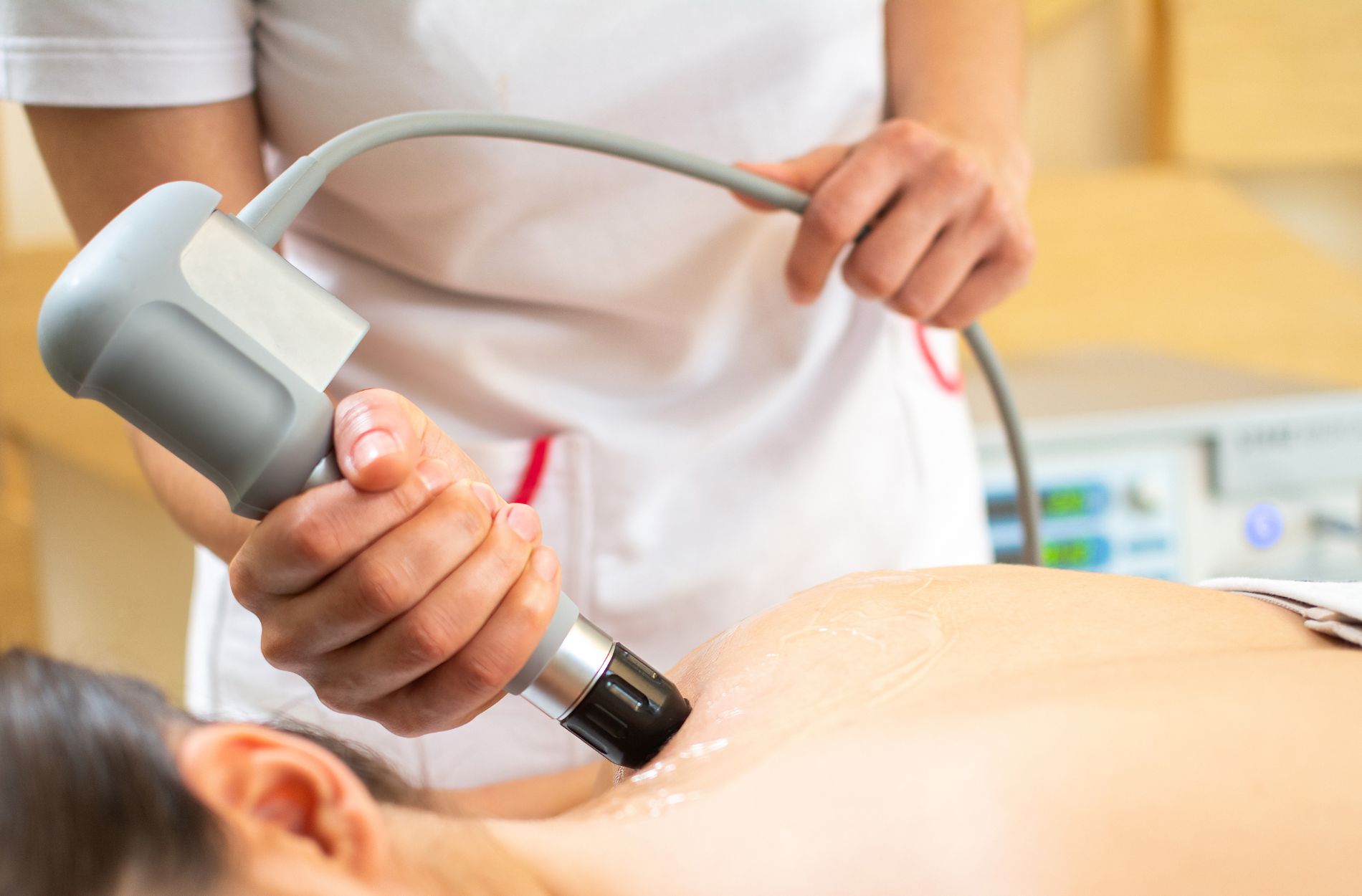
Our non surgical hip pain treatment focuses on restoring proper hip movement, reducing inflammation, and strengthening the muscles that support the joint. Rather than relying on medications or surgery, we use advanced therapeutic techniques that help the hip heal and function more efficiently.
As the soft tissues become healthier, inflammation decreases, and muscles strengthen, patients often notice the clicking becomes less frequent or disappears entirely. This improvement happens because the joint is finally moving the way it was designed to — smoothly, quietly, and without friction.
Our goal is to help your hip move freely again without pain, popping, or stiffness — and without invasive procedures.
How Hip Clicking Impacts Your Daily Life
Although clicking may feel minor, it can quickly become something you think about constantly. You may begin anticipating it when you stand up, walk, or shift positions. This anticipation alone can impact your confidence in movement.
Some people avoid squatting, kneeling, or stretching because they fear the clicking sensation. Others change how they walk or climb stairs — which can actually worsen the problem by putting new stress on other joints. Over time, mobility decreases, activity levels drop, and muscles weaken, making the hip even more vulnerable.
Niva Health Locations
Niva Health provides advanced joint care with personalized, natural solutions that help restore comfort and mobility. With locations in Jacksonville, Melbourne, Orlando, and St. Augustine, Florida, as well as Novi and Troy, Michigan, we make care accessible no matter where you live. Our team evaluates hip clicking carefully, looking for the underlying cause and creating a targeted plan to restore smooth, pain-free movement.
Conclusion: Don’t Ignore Hip Clicking
Your hip shouldn’t click, pop, or shift when you walk. These sensations are signals that the joint needs support — and addressing them early prevents future pain and degeneration.
Understanding the causes of hip clicking and pain and seeking non surgical hip pain treatment can help restore comfort, protect the joint, and keep you moving with confidence.
If your hip has been clicking, don’t wait for discomfort to set in. Let us help you protect your mobility and prevent long-term issues.
Click here to set up a consultation and take the first step toward healthier, smoother movement.