You know that deep, stubborn knot you keep rubbing, stretching, massaging, or pressing into — hoping it will finally let go? The one that creates a burning, aching, or radiating tension that never truly disappears? If you’ve been dealing with a muscle knot that keeps returning no matter what you try, you’re not alone. Many of our patients come to us feeling frustrated, confused, and exhausted from chasing a pain that seems impossible to pinpoint.
The truth is, when people say they have a “knot,” they’re usually dealing with trigger point pain — a condition that affects millions of people yet is rarely explained well. Trigger points can interrupt your sleep, limit your mobility, and make everyday movements feel uncomfortable or restricted. They can even send pain to other parts of your body, making the source of the problem hard to identify.
At Niva Health, we understand how overwhelming this kind of pain can be. Many patients tell us they feel like they’re carrying tension in their shoulders, neck, back, or hips all the time. They’re tired of stretching with no relief, tired of pushing into the knot only for it to tighten again later, and tired of feeling like their body is always working against them. If this sounds familiar, you deserve answers — and solutions that truly work.
Understanding what causes muscle trigger points is the first step toward real, lasting relief. And more importantly, knowing there are effective non surgical treatment for chronic muscle pain options gives you a path forward that doesn’t rely on medication, injections, or procedures that only mask the issue temporarily.
Why Muscle Knots Feel So Deep, Intense, and Impossible to Release
When a muscle contracts, it’s supposed to relax again. Trigger points develop when a small portion of that muscle stays stuck in a contracted state. Over time, this tight, irritated area becomes hypersensitive, creating an uncomfortable, sometimes sharp or radiating pain that is difficult to ignore.
What makes trigger point pain confusing is how it behaves. You might feel discomfort in your shoulder, but the actual trigger point may be hiding in your upper back. Your hip may ache, but the problem might be rooted in your lower back. These patterns of referred pain make the condition difficult to self-treat.
Trigger points can also change how you move. To avoid discomfort, your body naturally adjusts, creating new movement habits that strain other muscles. Eventually, this can lead to a cycle of tension that keeps repeating unless the underlying trigger point is properly released.
The Real Reasons Trigger Points Develop
When we talk about what causes muscle trigger points, many people assume it’s just stress or overuse. And while tension plays a major role, the story is more complex. Trigger points often form because your muscles are being pushed in ways they were never designed to handle. Sometimes this happens suddenly, such as during a strenuous workout. Other times it happens gradually through daily habits you don’t even think about.
Sitting for long hours, repetitive movements, weak postural muscles, dehydration, poor blood flow, lack of stretching, or even emotional stress can overload the muscle fibers. When they become overworked or under-supported, they tighten as a protective response. If the tension doesn’t release, it can compress blood vessels and restrict oxygen flow — creating the perfect environment for a trigger point to form.
Even minor lifestyle patterns, like hunching over your phone, carrying heavy bags, or driving long distances with poor posture, can increase trigger point activity. Many people don’t realize that these tiny daily stressors add up, slowly training the muscle to stay tight and reactive.
Why Trigger Point Pain Doesn’t Go Away on Its Own
One of the biggest frustrations patients share with us is how persistent trigger point pain can be. Even after stretching, massaging, applying heat, or resting the muscle, the knot often returns the same day or the next morning. This happens because the underlying problem hasn’t been addressed: the muscle fibers are still locked in a contracted state.
Trigger points also restrict blood flow to the area, limiting the oxygen and nutrients your muscles need to function and recover. Without improving circulation and mobility in the affected muscle, the knot remains active.
Additionally, trigger points often exist within patterns. If one muscle is tight, another nearby muscle may compensate, creating tension in a second location. This chain reaction can lead to widespread discomfort, making it feel like tension is coming from all directions.
This is exactly why topical treatments and self-massage provide only temporary relief. You’re soothing the surface, but the deeper muscular restriction remains.
How Trigger Point Pain Impacts Your Daily Life
Trigger point pain doesn’t just affect the muscle itself — it affects everything connected to it. When a knot is active, it can limit your range of motion, reduce your strength, and make simple movements like turning your head, lifting your arm, bending forward, or even walking feel uncomfortable. You may start avoiding certain motions entirely, creating more imbalance in the body.
Many people describe feeling constantly “tight,” “stiff,” or “locked up.” This tension can drain your energy, affect your sleep, and even impact your mood. When your muscles don’t feel relaxed, it’s difficult for your body to reset, recover, and move with ease.
The longer trigger points persist, the more your body adapts to protect itself. You may unknowingly shift your posture, engage the wrong muscles during activity, or rely on compensatory movements that strain other areas. Over time, this can lead to chronic patterns of discomfort that affect your productivity, confidence, and quality of life.
Identifying Trigger Point Pain: What It Really Feels Like
People often struggle to describe trigger point pain because it can feel so different from person to person. Some experience a deep, localized ache. Others feel a burning or radiating tension that spreads into nearby areas. You may even notice numbness or tingling when pressing into the knot, or feel discomfort that shoots down your arm or leg during certain movements.
Trigger point pain tends to flare during stress or after long periods of inactivity. Sitting, standing, or sleeping in certain positions may worsen it. Sometimes even a light touch can feel tender or sharp, making the area feel highly sensitive.
If you’ve ever pressed into a spot on your body and instantly felt a familiar pattern of pain radiate somewhere else, that’s classic trigger point behavior.
Why Trigger Points Are Not the Same as Muscle Spasms
Although the two are often confused, trigger points and muscle spasms are not the same. A muscle spasm is a quick, involuntary contraction — like when your calf suddenly tightens. Trigger points, on the other hand, are sustained contractions that form within small sections of muscle tissue.
This difference matters because it changes how each condition should be addressed. Spasms often respond to quick release methods. Trigger points require targeted, consistent work to restore proper muscle function. If the release technique doesn’t address the deeper, sustained contraction, the knot simply returns.
Why Traditional Approaches Often Fail
Traditional treatments like massage, stretching, or heat therapy may provide temporary comfort, but they rarely address the root cause of chronic trigger points. That’s because these methods focus mainly on soothing the muscle, not correcting the underlying imbalance or tension pattern.
Many patients come to us after months or years of searching for relief. They’ve tried everything — foam rolling, stretching routines, hot showers, back massagers — but the knot always returns. This happens because real, lasting relief requires a deeper approach that targets the muscle fibers and restores proper mobility, circulation, and function.
This is where non surgical treatment for chronic muscle pain at Niva Health becomes so important.
How Niva Health Approaches Trigger Point Pain
We take a comprehensive approach to understanding your pain patterns, identifying where the trigger points originate, and determining how they’re affecting the rest of your body. Trigger points rarely exist in isolation, so we examine your posture, mobility, strength, daily habits, and muscular imbalances.
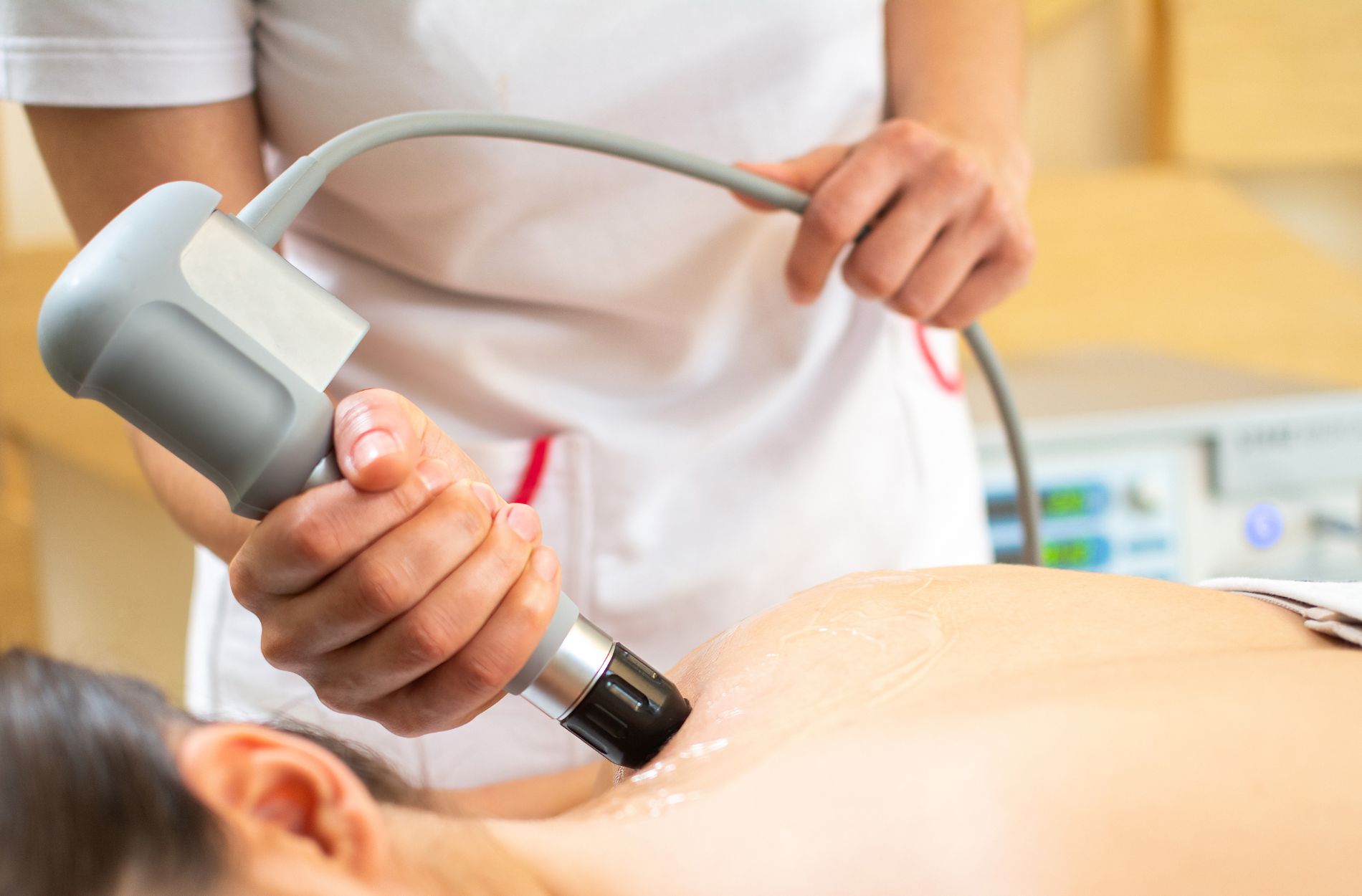
Once we identify the specific muscles involved, we use targeted therapeutic techniques designed to release deep muscular tension, restore mobility, and reduce irritation. Instead of simply soothing the area, our goal is to break the cycle of contraction so the muscle can finally relax.
This approach helps improve circulation, reduce sensitivity, and restore normal muscle function. Patients often begin noticing increased flexibility, fewer restrictions, and less radiating discomfort as the body starts returning to balance.
Why Non-Surgical Care Is So Effective for Trigger Point Pain
Trigger points respond incredibly well to natural, non-invasive care because they are fundamentally a muscular issue — not a structural one. This means they don’t typically require surgery, injections, or medications. They require skilled, targeted pressure and release techniques that help the muscle let go.
Our therapeutic methods not only address the current trigger points but also help prevent new ones from forming by improving movement patterns and muscle balance. When the underlying tension is released and proper mechanics are restored, the muscle becomes stronger, healthier, and far less prone to chronic pain.
This natural approach supports your long-term wellness, giving you control over your body again.
How Trigger Point Therapy Helps Improve Your Daily Life
Once trigger points are addressed, movement becomes easier. You may notice you can turn your head more freely, lift your arms without strain, or sit and stand without the familiar ache. Even small improvements in mobility can make your day feel lighter and more energized.
People often express that they didn’t realize how much tension they were carrying until it was gone. Without constant tightness, your body can relax, breathe more fully, and move with far greater confidence. Sleep improves. Productivity improves. And most importantly, you begin feeling like yourself again.
Niva Health Locations
We offer personalized trigger point pain relief across multiple clinic locations, including:
Jacksonville, Florida
Melbourne, Florida
Orlando, Florida
St. Augustine, Florida
Novi, Michigan
Troy, Michigan
Each clinic is staffed with wellness professionals trained to identify and treat chronic muscular tension using non-surgical, natural techniques that support your mobility and comfort.
Conclusion: You Don’t Have to Live With Chronic Muscle Knots
Trigger point pain can be exhausting, frustrating, and discouraging — especially when you feel like nothing you try is working. But the good news is that your body can let go of this tension with the right approach. Understanding what causes muscle trigger points gives you clarity. And discovering effective, non surgical treatment for chronic muscle pain gives you real hope for lasting relief.
At Niva Health, we’re here to help you break the cycle of pain and regain control of your body. If you’re ready to experience meaningful, long-term trigger point pain relief, we’re ready to guide you through every step.
Take the first step toward a looser, lighter, more comfortable body.
Click here to set up a consultation and begin your journey back to ease and mobility.